
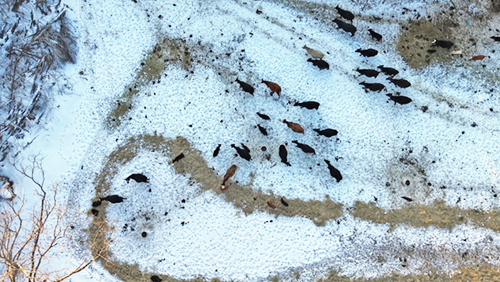
Winter storms in the north Arkansas Ozarks are never easy, and the recent
severe weather left many cattle producers dealing with damaged property,
stressed livestock, and disrupted routines. While the Ozarks are no strangers
to ice, snow, and bitter cold, major winter events require careful follow-up to
protect both your cattle operation and the long-term value of your land.
At United Country Ozark Realty, we work closely with landowners,
farmers, and ranchers across the Ozarks. We understand that a cattle farm is
more than just property—it’s a livelihood. Below are key steps to help you
recover, maintain your farm, and set yourself up for a strong year after a
major winter storm.
1. Assess Property Damage Safely and
Thoroughly
Before jumping into repairs, take time to walk your property and assess
storm damage—once conditions are safe.
Key areas to check include:
- Fences: Ice and fallen trees often snap
or lean fences, allowing cattle to escape. Prioritize perimeter fencing
and any cross fencing used for rotational grazing.
- Barns and shelters: Look for roof damage, weakened
trusses, and structural stress caused by snow or ice accumulation.
- Water lines and troughs: Freezing temperatures can crack
pipes or damage automatic waterers.
- Roads and driveways: Erosion, washouts, and downed
limbs can limit access for feed trucks or equipment.
Document damage with photos. This can be helpful for insurance claims and
also gives you a clear plan for repairs.
2. Check Cattle Health After Extreme
Cold
Cattle are hardy animals, but prolonged cold, ice, and wind can take a
toll—especially on calves, older cows, or thin animals. It’s also imperative to
ensure the safety of your animals after ponds freeze. Cattle farmers know all
too well how easy it is to lose cows due to drowning or freezing after falling
through ice.
Watch for:
- Weight loss or poor body
condition
- Frostbite on ears, tails, or
teats
- Signs of respiratory stress
- Reduced appetite or lethargy
Make sure cattle have access to dry bedding, windbreaks,
and unfrozen water. Increase feed temporarily if needed—cattle burn more
calories staying warm in extreme conditions. Good nutrition now can prevent
long-term health issues later.
3. Restore Water Access First
Water is often the biggest challenge after a winter storm. Frozen or
broken water systems can quickly become a serious problem.
Steps to take:
- Thaw and inspect automatic
waterers
- Check for underground leaks
caused by freezing
- Clear ice from ponds or tanks
safely (without stressing cattle)
- Consider backup water options for
future storms
Reliable water access is not only critical for livestock health—it also
protects pasture condition by preventing cattle from congregating in muddy or
damaged areas.
4. Repair Pastures and Prevent Soil
Damage
Winter storms can be hard on Ozark soil, especially when followed by
thawing and heavy moisture.
To protect your land:
- Avoid overgrazing wet
pastures—this leads to compaction and long-term damage
- Rotate cattle to sacrifice areas
if needed
- Repair ruts from equipment as
soon as ground conditions allow
- Reseed damaged areas in early
spring with appropriate forage
Healthy pastures recover faster and add lasting value to your farm,
whether you plan to operate long-term or eventually sell.
5. Clear Downed Trees and Debris
Strategically
Ice storms often leave fallen timber scattered across fences, roads, and
fields. While cleanup can feel overwhelming, approach it with a plan.
- Remove debris from fences first
to restore livestock control
- Clear access roads for safety and
daily operations
- Evaluate fallen timber—some may
have value as firewood or lumber
- Be cautious of widow-makers
(partially fallen limbs under tension)
If you’re not equipped for large-scale cleanup, professional help may be
worth the investment.
6. Prepare Now for the Next Ozarks
Winter
One lesson Ozark landowners know well: another storm will come
eventually.
Use this experience to strengthen your operation:
- Upgrade fencing materials where
failures occurred
- Improve windbreaks or cattle
shelter locations
- Insulate exposed water lines
- Keep extra feed and supplies on
hand during winter months
These improvements don’t just help your cattle—they increase the overall
functionality and market appeal of your property.
7. Think Long-Term Property Value
Well-maintained cattle farms in the Ozarks remain in high demand. Buyers
are looking for land that’s resilient, productive, and thoughtfully managed.
By repairing storm damage promptly and improving infrastructure where
possible, you:
- Preserve land value
- Reduce future maintenance costs
- Position your property strongly
for resale or expansion
If you’re considering buying, selling, or evaluating your farm’s
long-term potential, local expertise matters.
We’re Here to Help
At United Country Ozark Realty, we specialize in Ozark farms,
ranches, and rural properties. We understand the challenges of land ownership
in north Arkansas—especially after severe weather events. Whether you’re
recovering from this winter storm, planning improvements, or thinking about the
future of your cattle operation, our team is here as a resource.
If you’d like help evaluating your property or learning more about cattle
farms for sale in the Ozarks, feel free to reach out. We’re proud to serve the
landowners who make this region what it is.