
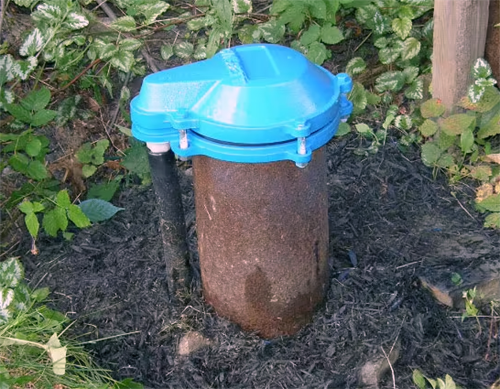
How to Get Water From a Modern Well
When the Grid Goes Down
Preparedness Tips for Rural Homes and Farms in North Central Arkansas
In north central Arkansas, many homes, farms, and recreational properties
rely on private wells as their primary water source. From mountain cabins to
cattle operations, reliable well water is part of rural living.
But what happens when the power goes out?
Whether caused by storms, ice, tornadoes, or extended outages, a downed
electrical grid can leave well owners without access to water—even when the
well itself is full. For property owners and buyers alike, understanding backup
water options is an important part of preparedness.
At United Country Ozark Realty, we work with many properties that depend
on wells. Here are practical ways to access water from a modern well if the
grid goes down.
Why Most Modern Wells Stop Working
Without Power
Most wells today use electric submersible pumps that sit deep
underground. These pumps require electricity to push water up into your home,
pressure tank, or storage system.
When the power is out:
- The pump stops running
- Pressure tanks eventually empty
- Faucets go dry
Even if your well has plenty of water, you can’t access it without some
form of backup system.
1. Install a Backup Generator
Best Overall Solution for Most
Properties
A generator is one of the most reliable ways to keep your well running
during outages.
Portable Generators
- More affordable
- Can power your well pump and
essentials
- Require manual setup and fuel
- Must be properly connected
(preferably through a transfer switch)
Standby (Whole-Home) Generators
- Automatically turn on during
outages
- Run on propane or natural gas
- Higher upfront cost
- Ideal for full-time rural
residences
For many Arkansas homeowners, a portable generator paired with a transfer
switch offers a practical balance between cost and reliability.
Important: Never backfeed power into your home without proper equipment. Always
work with a licensed electrician.
2. Use a Solar-Powered Well System
Long-Term Off-Grid Reliability
Solar well pumps are becoming more popular, especially on farms and
remote properties.
These systems use:
- Solar panels
- A controller
- A DC or hybrid pump
- Often paired with storage tanks
Benefits:
- Works during daylight without
grid power
- Low operating costs
- Environmentally friendly
Limitations:
- Higher installation cost
- Reduced output on cloudy days
- May need batteries for nighttime
use
For homesteads, livestock operations, or off-grid properties, solar
pumping systems can provide long-term water security.
3. Add a Hand Pump to Your Existing
Well
Simple, Reliable, No Power Required
In some cases, a manual hand pump can be installed alongside an electric
pump in the same well.
These allow you to:
- Pump water by hand
- Access water during extended
outages
- Avoid fuel dependency
Hand pumps work best on:
- Shallow to moderate depth wells
- Properties with wide enough
casing
- Wells designed for dual-pump
setups
They’re especially useful for emergency drinking water and small-scale
daily needs.
4. Store Water in Advance
The Easiest Emergency Backup
Water storage doesn’t rely on technology and works in every situation.
Options include:
- Large food-grade barrels
- Indoor storage tanks
- Livestock water tanks
- Rainwater catchment systems
(where permitted)
A good guideline:
- 1 gallon per person per day
(minimum)
- More for livestock and irrigation
Many rural homeowners keep several days’ worth of water on hand,
especially during storm season.
5. Install a Gravity-Fed Storage Tank
Old-School Reliability With Modern
Benefits
Some rural properties use elevated tanks or hillside storage systems.
How it works:
- Pump water to a tank when power
is available
- Store water at a higher elevation
- Gravity delivers water when power
is out
This setup:
- Provides pressure without
electricity
- Works well on hilly terrain
(common in the Ozarks)
- Is popular on farms and ranches
It requires proper planning but offers excellent long-term reliability.
6. Consider a Shallow Backup Well or
Cistern
Extra Security for Rural Properties
Some properties maintain:
- A shallow hand-dug well
- A spring-fed cistern
- A rain-fed storage system
These secondary sources can be invaluable during long outages or
disasters. While not always suitable for drinking without treatment, they can
provide water for livestock, sanitation, and cleaning.
Water Safety During Power Outages
Access to water is important—but so is safety.
During outages:
- Boil or treat water if
contamination is suspected
- Keep well caps sealed
- Avoid floodwater intrusion
- Test water after major storms
In rural Arkansas, flooding and heavy rains can impact groundwater
quality, especially after severe weather.
What Buyers Should Look For in
Well-Dependent Properties
If you’re buying rural property, preparedness should be part of your
evaluation.
Ask about:
- Well depth and pump type
- Generator hookups
- Existing storage systems
- Solar capability
- Water pressure without power
These features add both resilience and long-term value.
Preparedness Adds Value to Rural
Living
Living in north central Arkansas offers freedom, privacy, and access to
beautiful land—but it also means being ready for weather and infrastructure
disruptions.
Homes and farms with backup water systems:
- Are more self-sufficient
- Are easier to maintain during
emergencies
- Often appeal to
preparedness-minded buyers
- Provide peace of mind
Whether you’re upgrading your current property or searching for your next
rural home, water security is a smart investment.
Let United Country Ozark Realty Help
You Find the Right Property
At United Country Ozark Realty, we specialize in rural homes, farms,
recreational land, and country estates across north central Arkansas. We
understand the importance of wells, water systems, and self-reliant living.
If you’re looking for a property with strong infrastructure—or want
advice on improving the one you own—we’re here to help.
📍 Contact us today to learn more about
rural properties built for long-term reliability.