
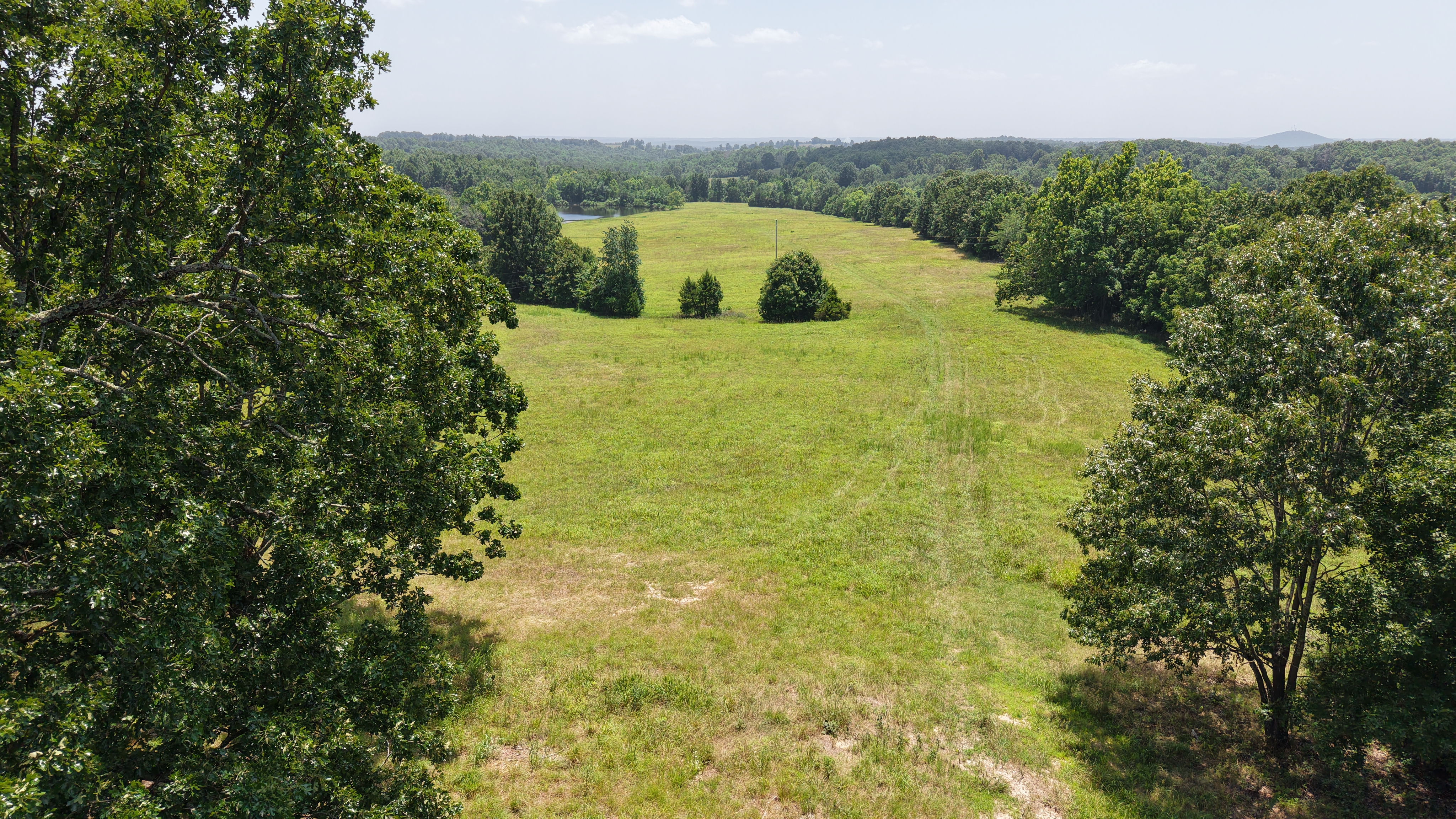
You find a tract of land in Arkansas with the acreage, privacy, and
setting you’ve been looking for. There’s a clearing where you can picture a
house, enough room for a shop, and a view you’d enjoy every morning.
Before deciding it’s the right property, there’s a bigger question to
answer: Can this land support the home you want to build at a cost that works
for you?
When buying land to build a home in Arkansas, the purchase price is only
one part of the decision. Road access, wastewater disposal, water, electricity,
terrain, and property restrictions all deserve attention before closing.
For buyers searching for land in North Central Arkansas, understanding
these details can help turn an appealing piece of acreage into a realistic
building plan.
Start With Your Home Plans
Before comparing properties, identify what your future home needs.
A three-bedroom house, a manufactured home, and a barndominium with an
attached shop may have different site requirements. A long driveway, detached
garage, garden, or pasture also affects how much usable space you need and
where improvements can go.
Write down your priorities, including the approximate home size,
preferred construction type, parking needs, and any additional buildings. Share
those plans with your agent and the professionals evaluating the site.
The goal is to assess whether a particular property fits your intended
use. Acreage alone won’t answer that question.
Confirm Road Access and Review the
Property Boundaries
A road leading to a property is worth investigating carefully. Buyers
should understand both how they will physically reach the land and what
documents establish their access.
Ask whether the property fronts a public road or is reached by a private
road or easement. Have the title company or an Arkansas real estate attorney
review recorded access documents and explain any questions about their scope.
For a private road, ask who maintains it and whether there is a written
maintenance agreement. Consider the road’s width, slope, drainage, and
condition. A route that works for a pickup may need improvements before
concrete trucks, delivery vehicles, or construction equipment can use it.
Property boundaries deserve similar attention. Online parcel maps can
help with an initial search, but a licensed surveyor can establish boundaries
on the ground. Ask whether a survey is available and whether a new survey is
appropriate for the purchase.
Investigate Septic Suitability Early
If public sewer service is unavailable, wastewater disposal becomes a
central part of evaluating a rural homesite.
Don’t assume that an open clearing can accommodate a septic system. The
proposed system, home location, soil conditions, and available area need to
work together.
The Arkansas Department of Health directs buyers seeking a septic permit
to contact the health unit in the county where the property is located and ask
for the Onsite Environmental Specialist. Its onsite wastewater program provides
information about evaluation and permitting.
You may see land advertised as “perked” or “pre-perked.” Ask for the
supporting documentation and have the appropriate professional explain what was
evaluated, when it was evaluated, and whether it applies to your proposed home
and building location.
A statement in a listing is a starting point for questions. The
underlying records help you understand what you can plan around.
Verify Water Availability at the
Proposed Homesite
“Water available” needs a more detailed conversation.
If a public water provider serves the area, contact the provider
directly. Ask whether service can be extended to the property, where the
connection would be, and what installation work and charges may apply.
The distance from the water line to the house can affect your site
budget. A building location deep inside a tract may require a longer service
line than a homesite near the road.
If you plan to use a private well, speak with a qualified local well
professional about site conditions, drilling considerations, and water testing.
If a well already exists, request available records and arrange an appropriate
evaluation.
Nearby homes with water service do not establish what it will take to
serve your particular building site.
Ask What It Will Take to Bring
Electricity to the House
Power lines near a property are helpful to see, but buyers still need a
service assessment from the utility provider.
Identify your preferred building location and ask the provider about the
process for establishing service. Discuss the distance involved, potential
routes, clearing requirements, and any estimated charges.
Also explain the planned electrical needs. A house with a large workshop
or other equipment may require a different service arrangement than a small
cabin.
If you are considering solar power or a backup generator, discuss those
plans with qualified installers early enough to understand the space,
equipment, and budget involved.
Evaluate Usable Land and Site
Preparation
Two tracts with the same acreage can offer very different building
opportunities.
Walk the proposed homesite with a builder or appropriate site
professional. Look at the house location, driveway route, parking area,
wastewater area, and space for future improvements as one connected plan.
On sloping ground, ask about grading, foundation design, drainage, and
construction access. On wooded land, discuss clearing and how much vegetation
you want to retain. Rock, runoff, and the distance between improvements can
also affect the work required.
For example, a ridge may offer the view you want, but reaching it could
require a longer driveway and utility extensions. A different location on the
same tract may better fit your budget.
Written site estimates can make those choices easier to compare.
Research Flood Hazards and Observe
Drainage
Check flood information even if a property is not marketed as waterfront.
FEMA’s Flood Map Service Center is the official public source for its
flood hazard mapping. Use it as part of your research, and discuss
property-specific questions with the local floodplain administrator and your
builder.
Also look at drainage across the proposed house location and access
route. Ask where water collects, how it moves through the property, and whether
a driveway crosses a low area or drainage channel.
When practical, visiting after rainfall can help you identify questions
that might not be obvious on a dry afternoon.
Confirm That Your Intended Use Is
Allowed
Before purchasing, verify the requirements affecting the exact parcel and
your plans.
Ask about recorded deed restrictions, subdivision covenants, easements,
and applicable local development requirements. If you intend to build a
barndominium, place a manufactured home, keep livestock, or stay in an RV
during construction, investigate those uses specifically.
Land described as unrestricted still calls for research into permits,
wastewater requirements, access documents, and other applicable rules.
Your agent can help gather information and identify the offices or
professionals who can answer particular questions. Obtain important
confirmations from the responsible authority or document source.
Check Internet Service Before Choosing
a Remote Homesite
If you work from home or depend on a reliable connection, investigate
internet service while evaluating the property.
The FCC National Broadband Map provides location-based availability
information reported by providers. Use it to identify possible options, then
contact providers directly to confirm whether they can serve your proposed home
location.
Ask about installation, available plans, expected service, and any
construction needed to reach the site. For vacant land, the provider may need
more precise location information than a general road address.
Test cellular service on the property as well, especially near the
proposed house location.
Compare the Total Cost of a Buildable
Site
A useful land budget includes the work needed to reach the construction
stage.
Depending on the property, that may include:
- Surveying and site evaluations
- Clearing, grading, and driveway
construction
- Drainage improvements
- Septic installation or sewer
connection
- Public water connection or well
installation
- Electrical service and utility
extensions
- Internet installation
- Required permits and professional
services
Get property-specific estimates wherever possible. Avoid relying on a
single general allowance for site work when comparing substantially different
tracts.
A higher-priced parcel with suitable access and established services may
fit your total budget better than a lower-priced property requiring extensive
improvements. The right comparison is what each property will cost to make it
work for your home.
Questions to Ask Before Buying
Arkansas Building Land
Before committing to a purchase, work toward clear answers to these
questions:
- Is access documented and suitable
for construction?
- Do I understand the boundaries
and available building area?
- Can the property support an
approved wastewater solution for my plans?
- How will the homesite receive
water, electricity, and internet?
- What restrictions and local
requirements apply?
- What flood or drainage questions
need further evaluation?
- What will site preparation and
utility installation cost?
Discuss the necessary evaluations and timing with your agent before
making an offer. Have appropriate professionals review questions that require
surveying, engineering, title, legal, or permitting expertise.
Find Land That Fits Your Building
Plans in North Central Arkansas
Whether you’re searching near Melbourne, Calico Rock, Oxford, Horseshoe
Bend, or elsewhere in North Central Arkansas, start with the home you want to
build and evaluate the land around those needs.
A productive property visit should help you picture the finished home and
identify the questions that need answers before you purchase.
United Country Ozark Realty can help you explore available acreage in
Izard County and the surrounding area. Tell us what you want to build, how you
plan to use the land, and what matters most in your search.
Call United Country Ozark Realty at 870-368-4155 or explore available
properties at ozarkrealtyinc.com.